what to know about Culion Island near Coron ?
A Journey of Resilience and Natural Beauty

Culion Island


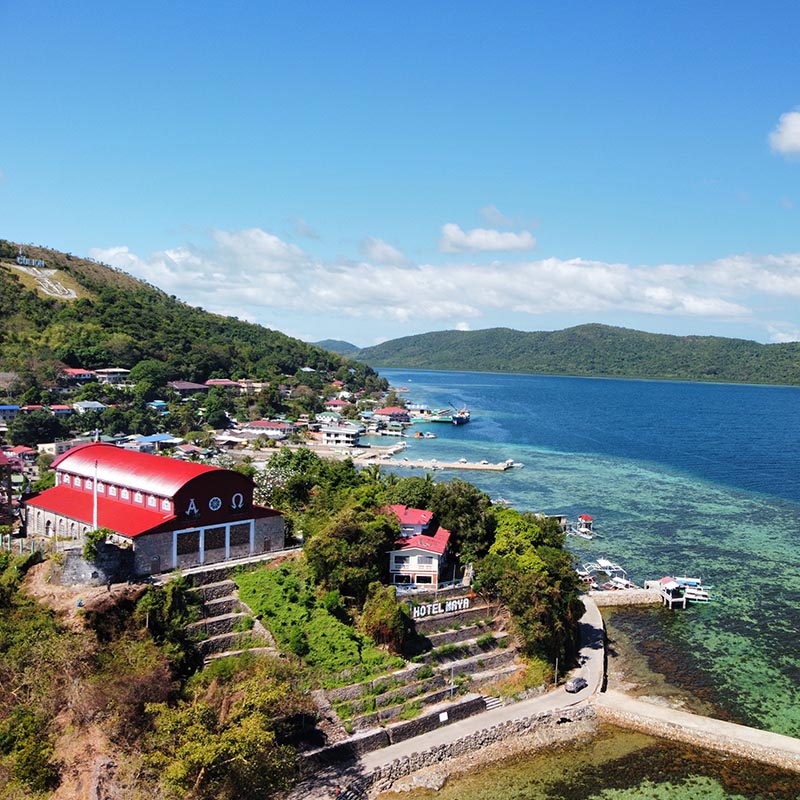
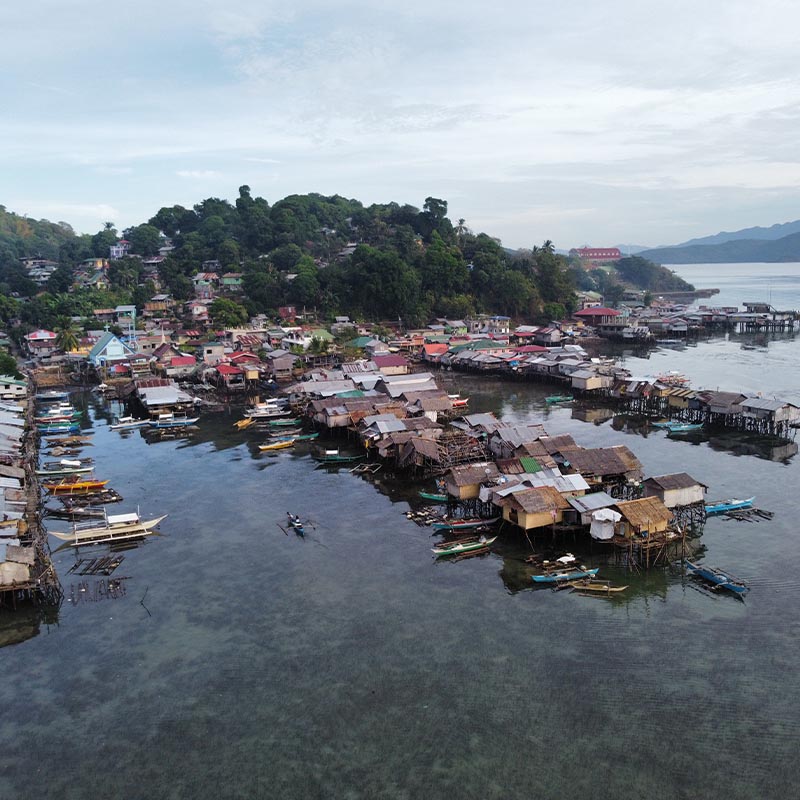
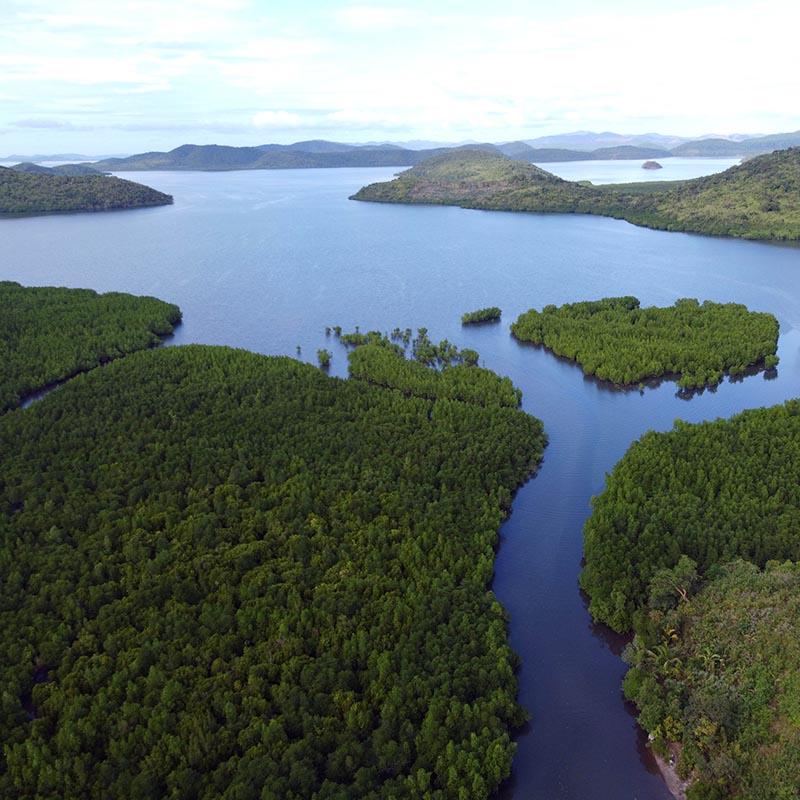
Culion Island, the second largest island in the Calamian archipelago, lies just a few kilometers from Coron and Busuanga. Despite its proximity to these popular destinations, Culion experiences minimal tourism, a fact largely attributed to its deeply poignant history. For a long time, it was the world’s largest leper colony, earning it the somber title of “Island of No Return.”

History

From 1906 onwards, people suffering from leprosy across the Philippines were brought here to prevent the spread of the disease. Yet, despite these tragic circumstances, Culion remarkably developed into a self-sufficient community with its own church, schools, and infrastructure. With the discovery of effective medication in the 1940s, the island slowly began to open up. The leper colony was officially declared cured in 1987, marking a pivotal moment in its history. Today, Culion stands as a powerful symbol of hope and healing. Its rich past is preserved in the Culion Museum and Archives, inviting visitors to learn about the fates of its former residents and the triumph of the human spirit.
Beyond its compelling history, which can be explored at the museum or through guided tours, Culion Island offers lush natural landscapes, profound tranquility, and a wonderfully welcoming population. The former leper hospital has been transformed into the largest and best hospital in the region, drawing many Filipinos from surrounding islands for medical treatment.

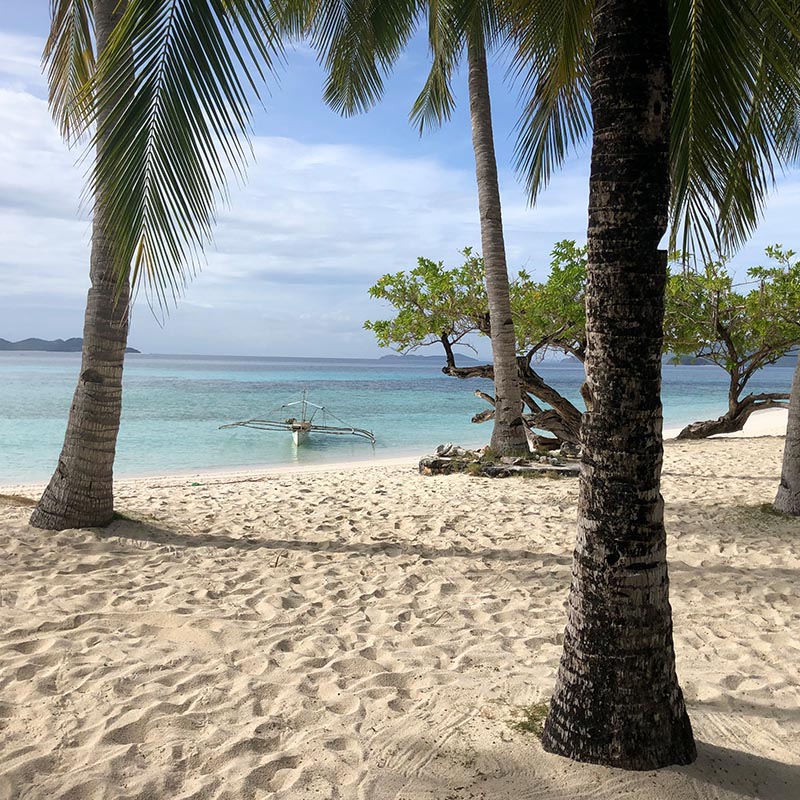
Malcapuya Island
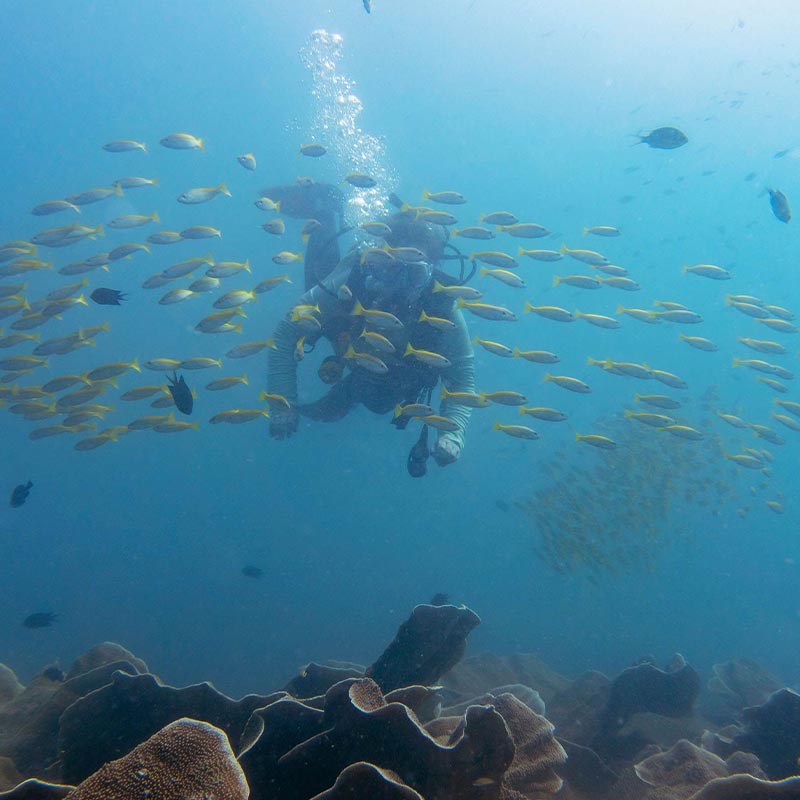
diving near Culion island

What to See in Culion: Key Historic Highlights

Culion Museum and Archives (Culion Sanitarium and General Hospital)

For anyone visiting Culion, the Museum and Archives is an unmissable stop that offers profound insight into the island’s unique past. Located within the grounds of the Culion Sanitarium, the museum documents Culion’s history as a former leper colony established in the early 20th century.

Inside, you will find original medical equipment, historical patient records, laboratory artifacts, and a moving photographic archive dating from 1906 onwards. It tells an extraordinary story of medical dedication, community life, and ultimate scientific victory over Hansen’s disease.

  • Entrance Fee: ~100 PHP per person
  • Opening Hours: Generally open Mondays through Fridays (8:00 AM – 12:00 PM / 1:00 PM – 5:00 PM). Note: Hours can vary slightly on weekends and public holidays.

La Inmaculada Concepcion Church (Fort San Pedro)

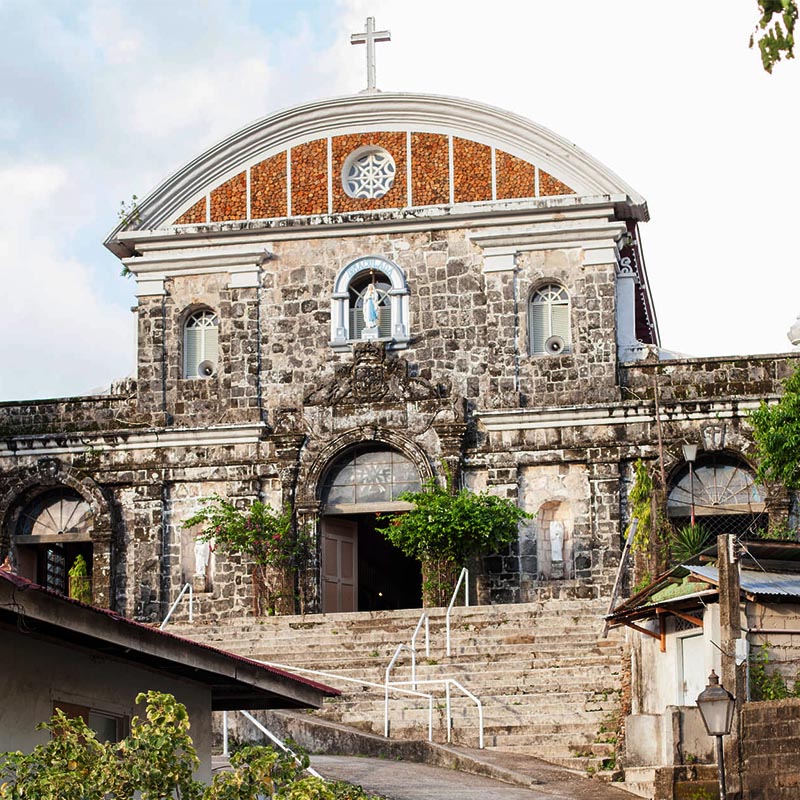
Perched on a cliff overlooking the harbor, La Inmaculada Concepcion Church is one of Culion’s most recognizable landmarks. The church was originally constructed by Jesuit missionaries around 1740 using solid coral stones, built directly on the foundations of the earlier Spanish-era Fort San Pedro.

With its rugged stone exterior, vivid blue trim, and sweeping views of the surrounding waters, it remains one of the most photogenic and historically rich sites on the island.

Eagle’s Pass (133 Steps)

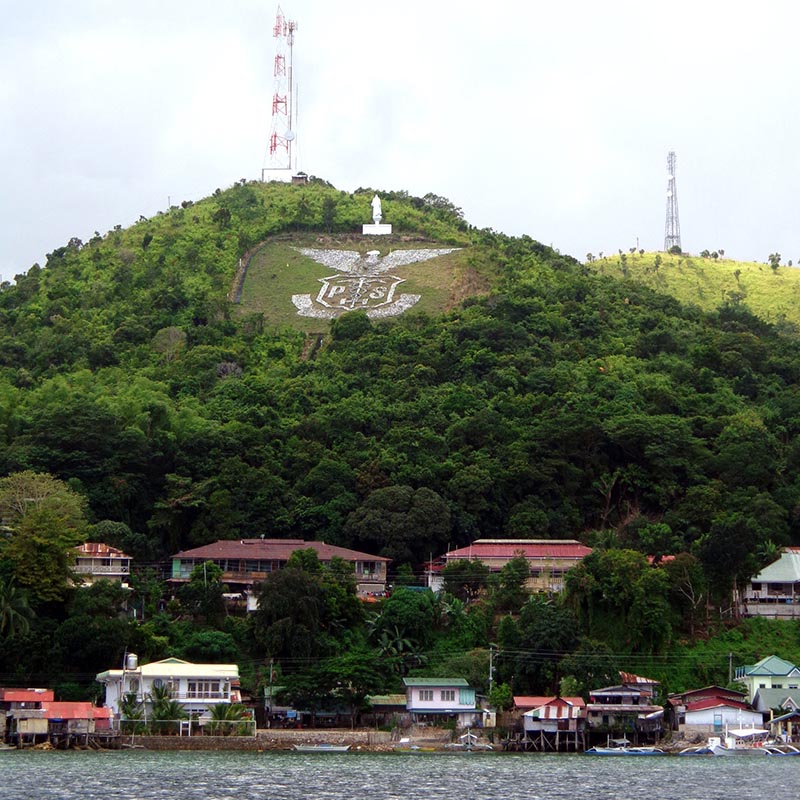
If you want the best panoramic view of Culion town and the surrounding island seascape, make the climb up Eagle’s Pass. A concrete staircase of 133 steps leads visitors up to a prominent statue of the Sacred Heart of Jesus.

Think of it as Culion’s own miniature version of Coron’s Mt. Tapyas—a quick, rewarding climb that offers stunning vantage points over the harbor and nearby islets, especially during the early morning or late afternoon light.

The Historic Town Structure: Culteria vs. Balala

Culion’s modern urban layout still clearly reflects its historical segregation system, making a walk through town a fascinating architectural lesson:

  • The Culteria: The designated zone where patients affected by Hansen’s disease lived, built with its own civic infrastructure, residential quarters, and social spaces.
  • The Balala: The administrative area reserved exclusively for non-infected medical staff, doctors, nurses, and administrative personnel.

Even today, as you walk from the port through the settlement, the distinction in historic building designs, roadways, and town layout between these two historical zones remains distinctly visible.
Visiting

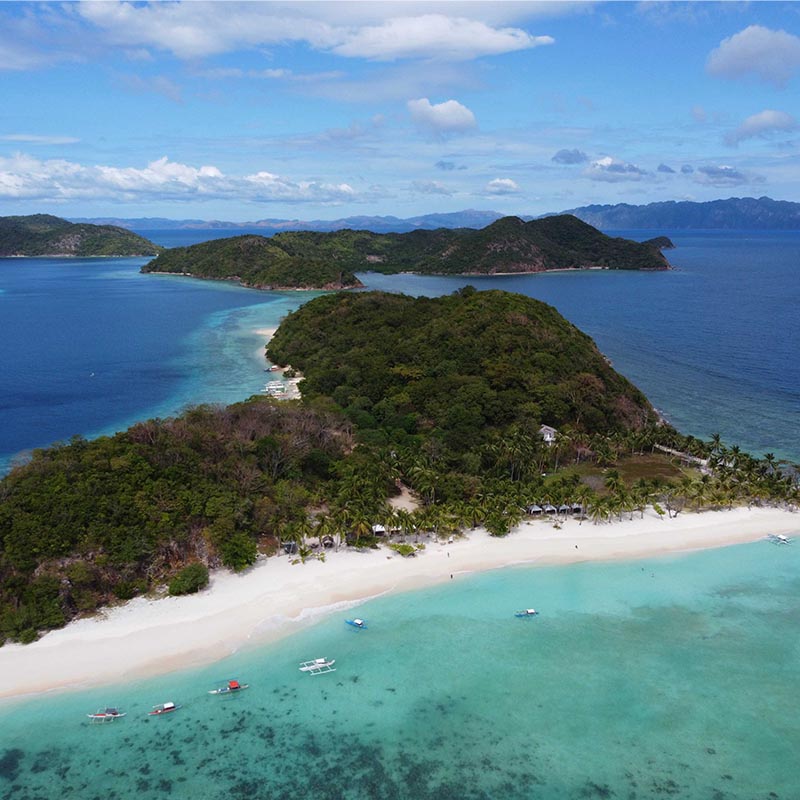
Culion has limited tourist accommodations, with most listed on Airbnb or Booking.com. There’s also a small dive center run by Simon, which regularly explores the surrounding reefs. If you’re looking to experience healthy corals and vibrant marine life, this is the place to be. You can also combine your visit with trips to the beautiful outlying islands, which boast some of the most stunning beaches.
For more information, visit the website of Nudibranch Divers Culion.


How to Get from Coron to Culion


Take a tricycle from Coron Town and ask for the Coron Port (PPA Terminal). Note: This is different from the harbor where island-hopping boats depart; it is located slightly further out of town.

Before entering the terminal, you will find ticket offices located directly in front of the port gate. It is recommended to arrive at least 30 minutes early to secure your seat.
Fare Guide:
Regular: ₱416
Students: ₱333
Senior Citizens: ₱297
Kids (3–7 years old): ₱208

Upon entering the port, you will need to pay a ₱20 port fee per person at the terminal entrance.

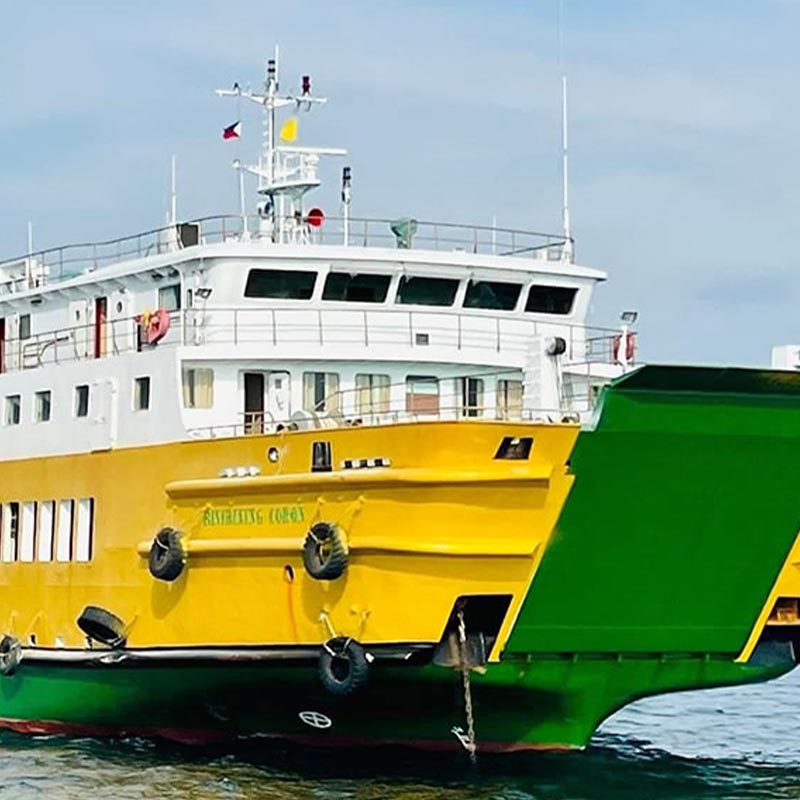
The journey across the water takes approximately 45 minutes to 1 hour, offering beautiful views of the Calamian islands.
Coron → Culion: 6:00 AM & 2:00 PM
Culion → Coron: 8:00 AM & 4:00 PM
Pro Tip: Schedules can occasionally change due to weather or maintenance, so it is always wise to double-check at the port a day in advance if you are on a tight schedule!

However, smaller boats operate more frequently, and if you inquire at the harbor, you’re likely to find a ride. Pastor Hermie, who also organizes city tours, can often provide assistance and information get his contact here .

Avoid Double Fees: When returning from Culion to Coron, port staff may ask you to pay an environmental fee. If you have already paid your environmental fee upon your initial arrival in Coron, you do not need to pay it again. Simply inform them that you are on a short trip from Coron and have already settled your fees there.

Island-escape-Tour Coron
connected themes :

Coron is on the Top10 list of
best dive spots in the world.
Here is why.

Hotels, Guesthouses, rooms
and cottages.
Find what suits your needs and your budget.

find out about attractions
and activities in Coron and
Busuanga area.


Explore Coron’s Iconic Lagoons & Beaches Your Guide to Unforgettable Island Hopping Tours.

ferry to coron
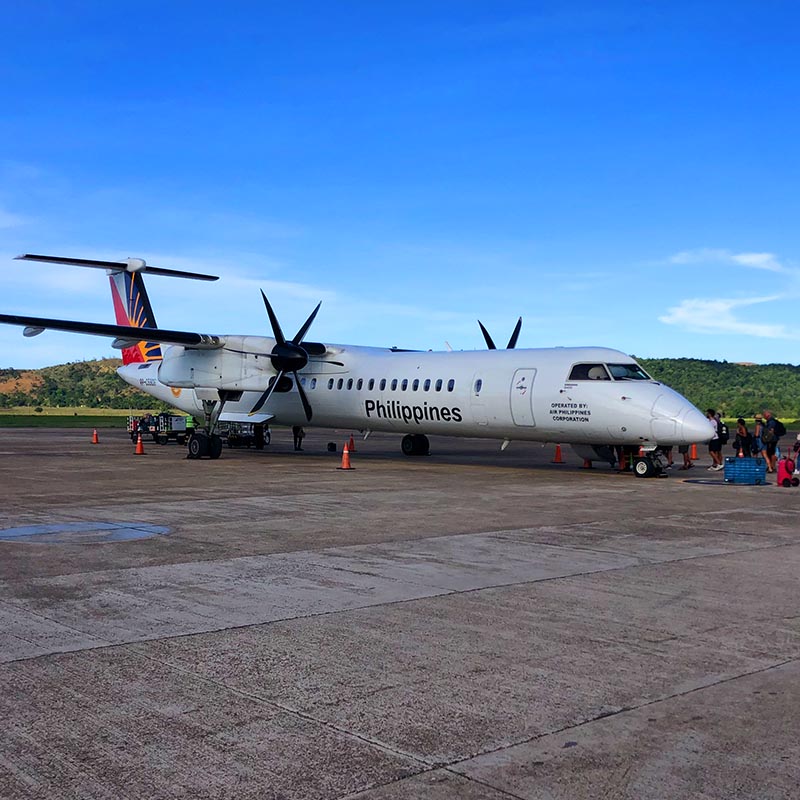
flight to coron